Student-Centred Learning
I build lessons around children's interests, strengths and goals.
My Teaching Approach
My approach connects what I know about learners with how I plan, teach, adapt and grow together.
Every child can grow. Every child has a voice. Every child deserves to belong.
How My Approach Comes to Life
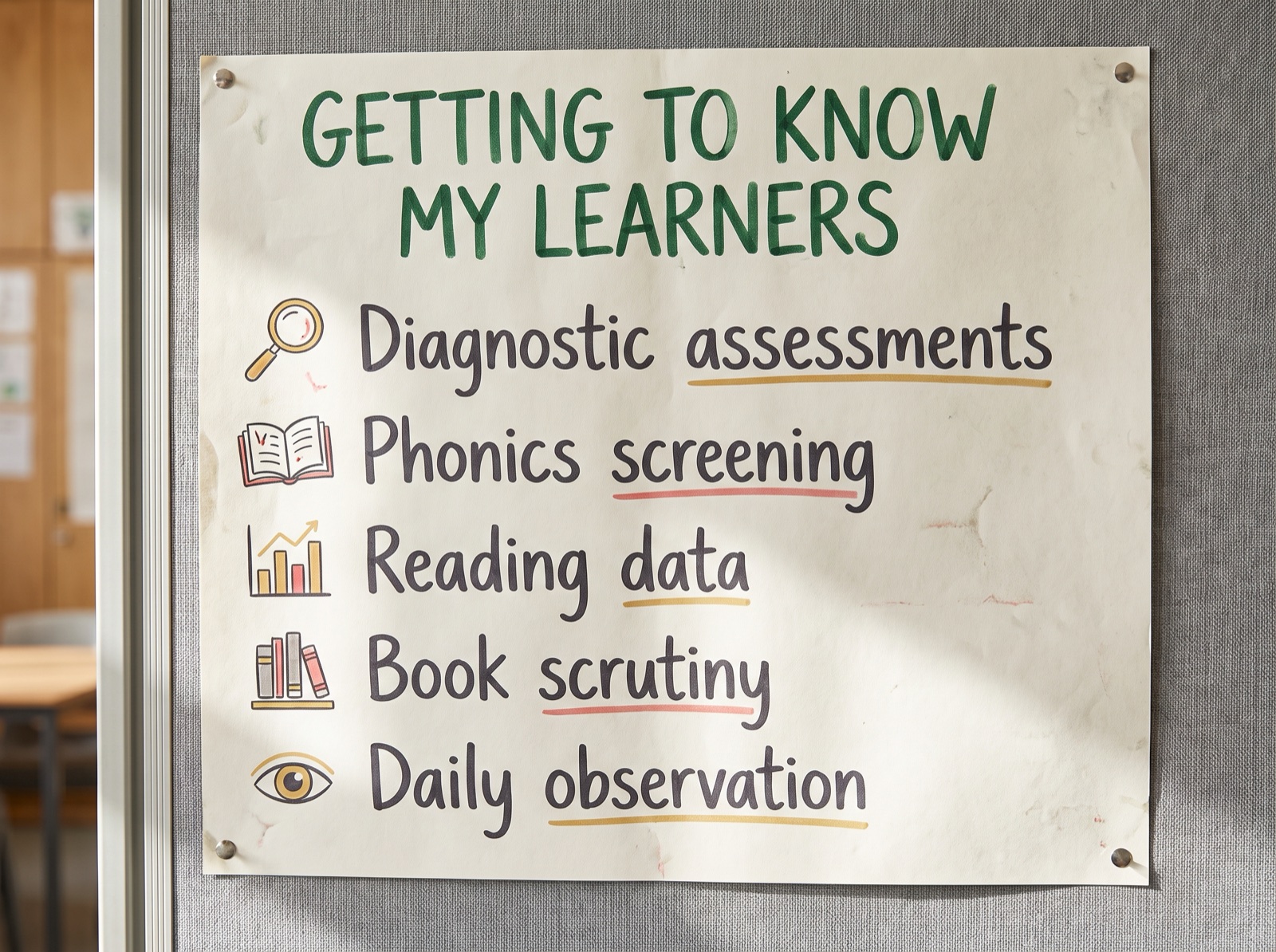
I use a range of assessment tools and daily observation to understand strengths, needs and next steps before I plan.
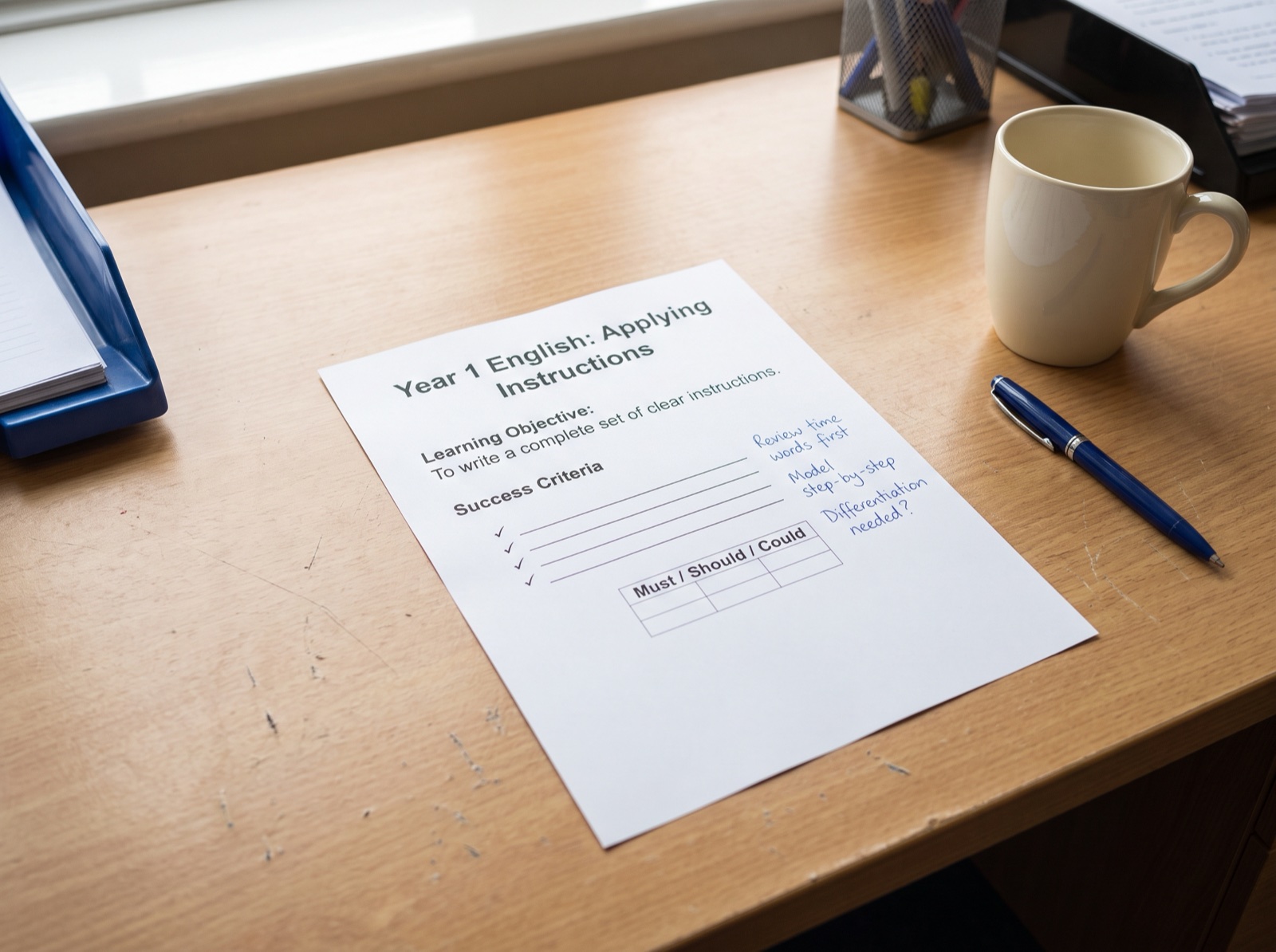
I plan across reading, writing, phonics, grammar, comprehension, speaking and listening, and spelling, creating my own lessons, resources and worksheets within a UK curriculum and Cambridge Primary context.
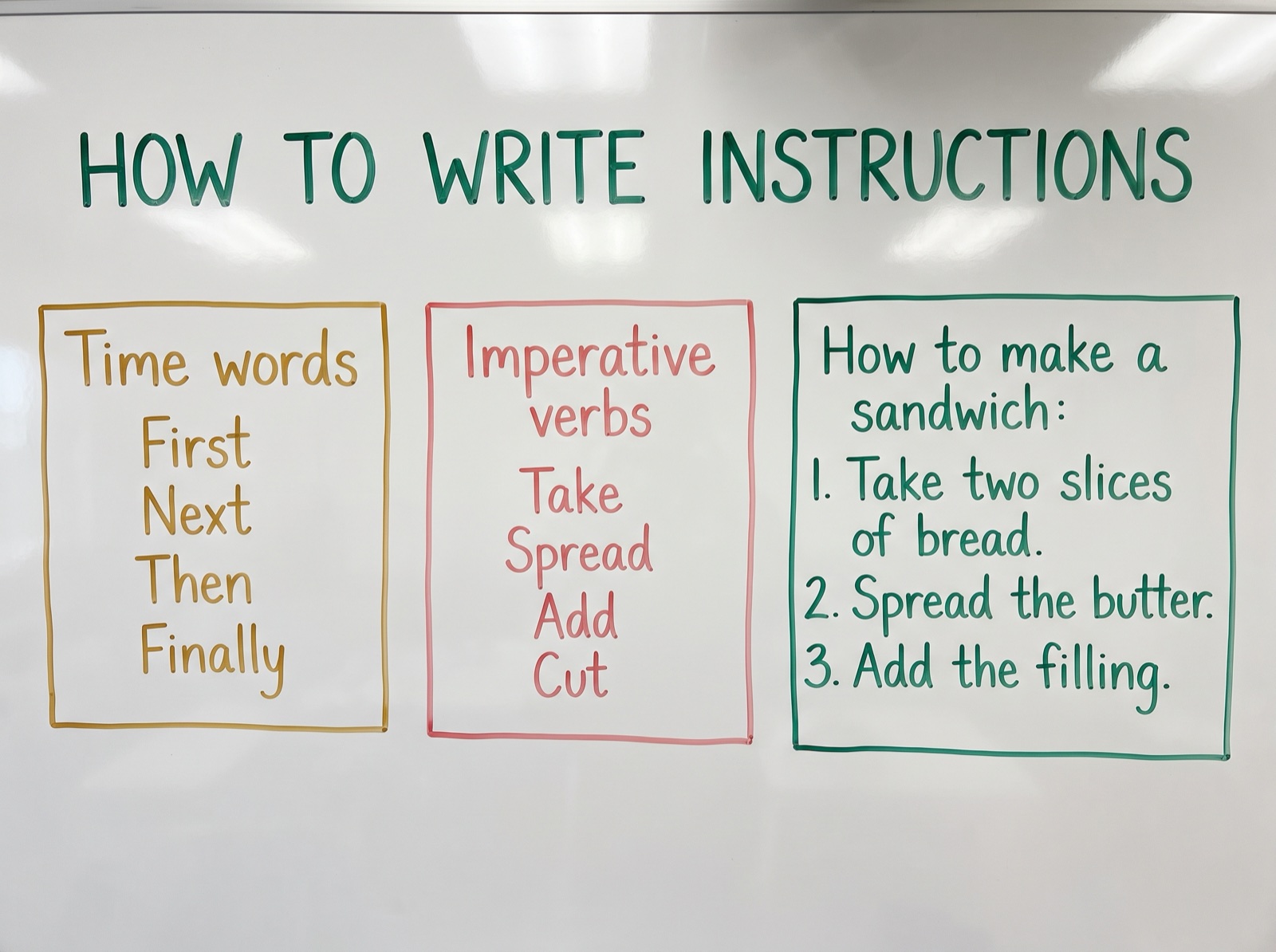
My practice includes guided reading, decoding, fluency and comprehension, sentence modelling, vocabulary walls, Word of the Day, sentence stems and explicit, systematic phonics.
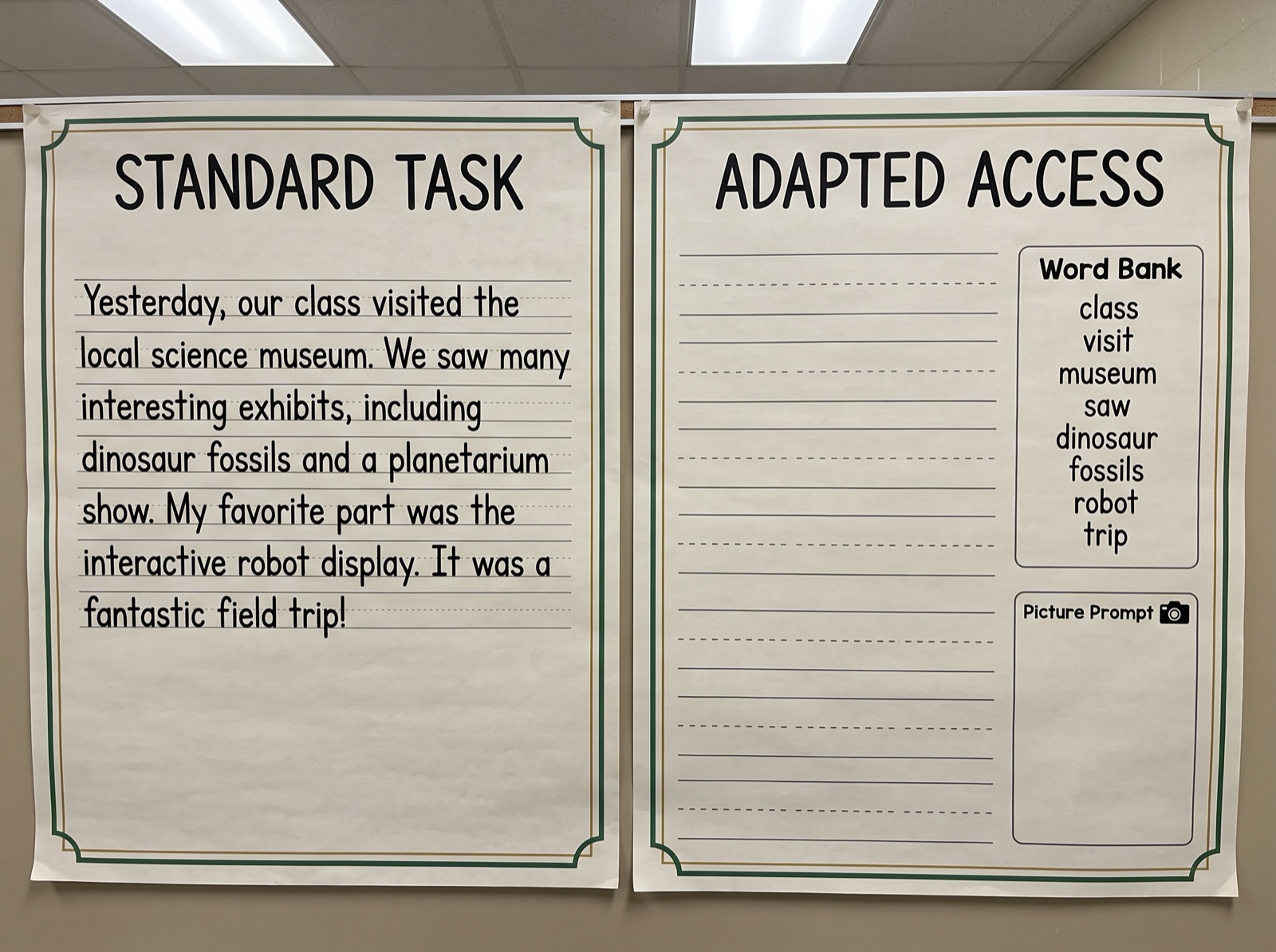
I use flexible grouping, adapted tasks, word banks, sentence stems, buddy support and targeted additional teaching, changing the flow or language of instruction when a child needs a more accessible route. This includes students of determination, pupils with Special Educational Needs and Disabilities (SEND) and English as an Additional Language (EAL) learners.
Assessment informs every stage of my teaching. I use formative assessment through questioning, observations, mini whiteboards, partner discussions and exit tasks to identify misconceptions. Diagnostic assessments, phonics screening, reading records and writing evidence help monitor progress, inform planning and provide targeted support. CAT4 forms part of my wider assessment knowledge and informs differentiation from Year 2 onwards.
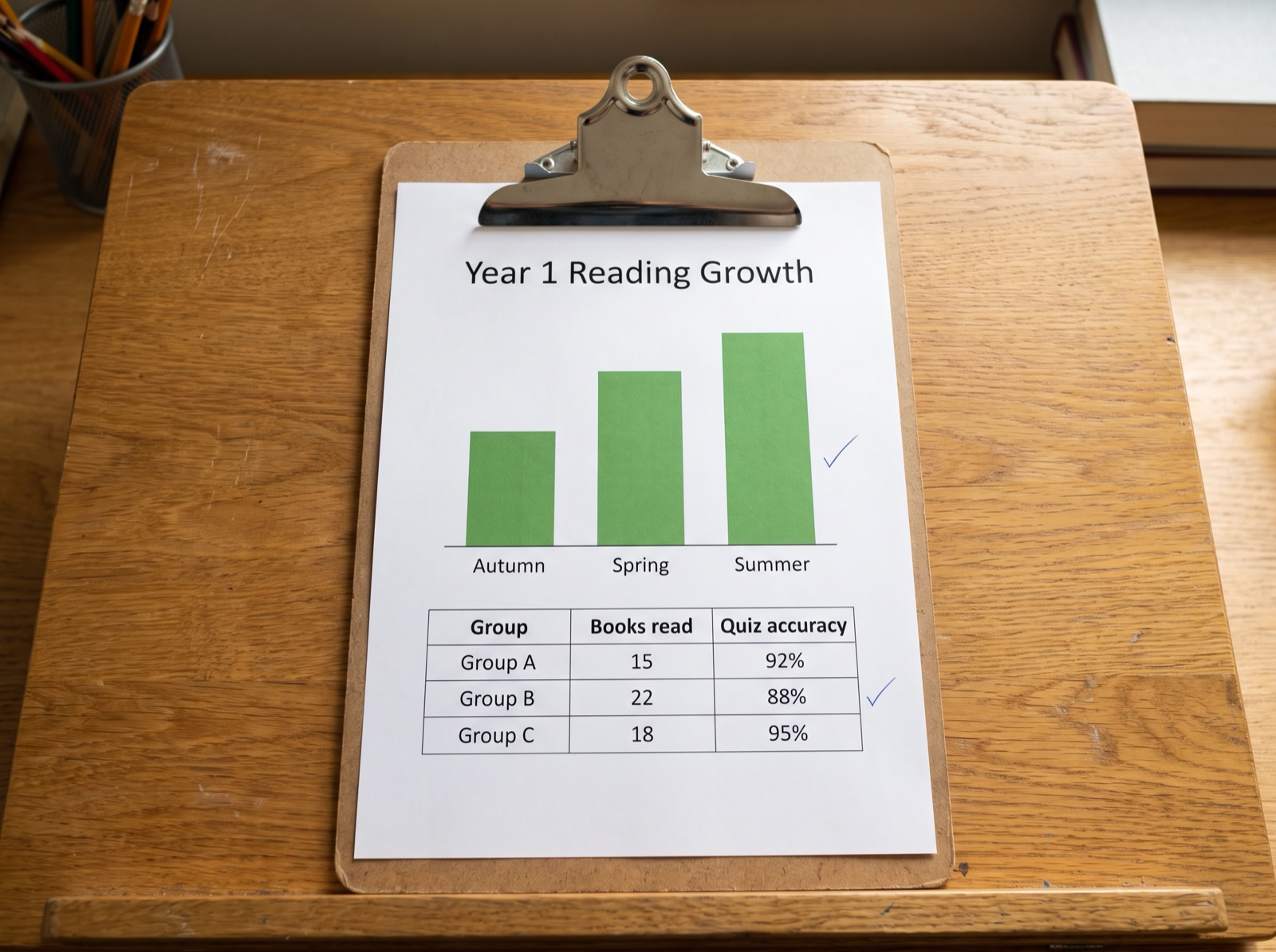
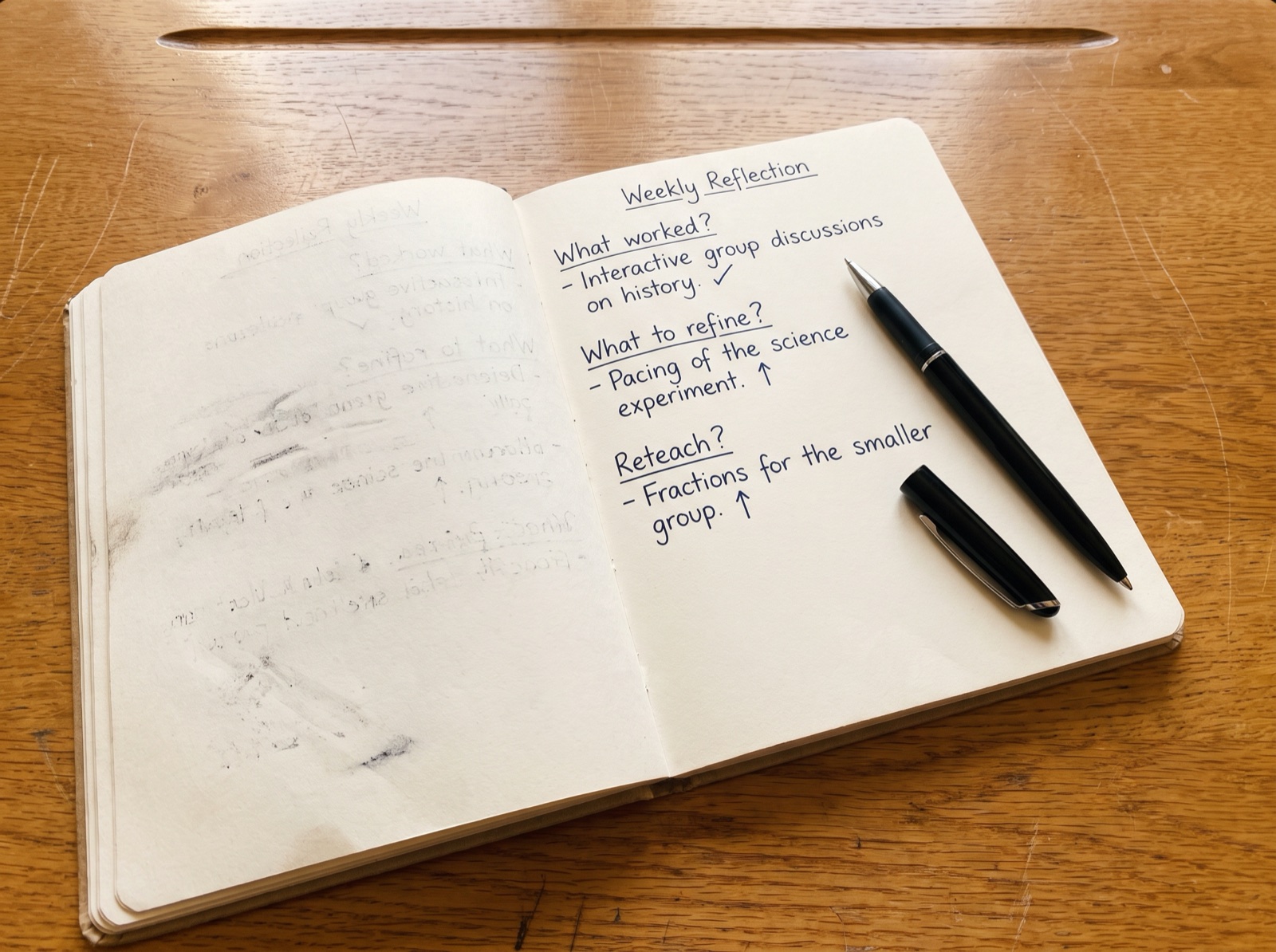
I review pupil work, classroom response and evidence of progress to decide what to keep, refine or reteach.
Principles in Practice
I build lessons around children's interests, strengths and goals.
I adapt content, process and product so every child can access and achieve.
I let assessment and everyday observations shape my next steps.
I use digital tools purposefully to deepen understanding and engagement.
A safe, respectful classroom culture is the foundation for learning.
We read, talk and write every day to build strong communicators.
In Practice
Around four years of phonics with pupils aged 5–7, mainly Jolly Phonics and sometimes Read Write Inc., with phonics-screening preparation and small-group support.
Google Classroom, Canva, Nearpod, Kahoot, Wayground, Padlet, Wordwall, ClassDojo, PowerPoint, interactive whiteboards and Plickers, used when they improve participation, feedback or understanding.
A safe, inclusive and nurturing classroom: relationships from day one, clear routines, celebrated effort and positive reinforcement that builds confidence and respectful participation.
Weekly newsletters, twice-yearly parent meetings, individual meetings when needed, and prompt email or phone contact support evidence-led collaboration around each child.