Reading Growth You Can Measure
Lexile-tracked reading showed seven pupils growing 130L or more, and flagged pupils who needed support early.
Context
Independent reading in Year 1, tracked through Lexile levels, book counts and comprehension quizzes so progress could be seen rather than assumed. The reading programme is Level Up, and its Lexile measures come from the books pupils read and the quizzes they attempt within it.
Challenge
A single class held a wide range of readers: some racing ahead, some quietly stalling. Reading volume alone did not tell me who was genuinely progressing.
Approach
I used the reading data to group pupils into thriving, on-track and needs-intervention, and matched books, questioning and support to each group. I paired strong quiz performance with Lexile movement so that engagement was never mistaken for comprehension.
Impact
Seven pupils achieved 130L or more of Lexile growth, with a top individual gain of 275L. Engagement was high across the cohort. The most prolific readers completed well over 40 books and several hundred pages, while the data surfaced a handful of pupils whose Lexile dipped despite reading, so support reached them early.
Reflection
The most useful move was treating a Lexile dip as a signal, not a verdict. It let me intervene before a pupil disengaged. I would keep pairing quiz accuracy with level movement. On their own, each measure can flatter or mislead; together they tell the truth about a reader.
Supporting Evidence
Anonymised, aggregated reading-growth data and grouping notes. No pupil names or identifiers are shared; summary figures are available on request.
Request this evidenceRelated Stories
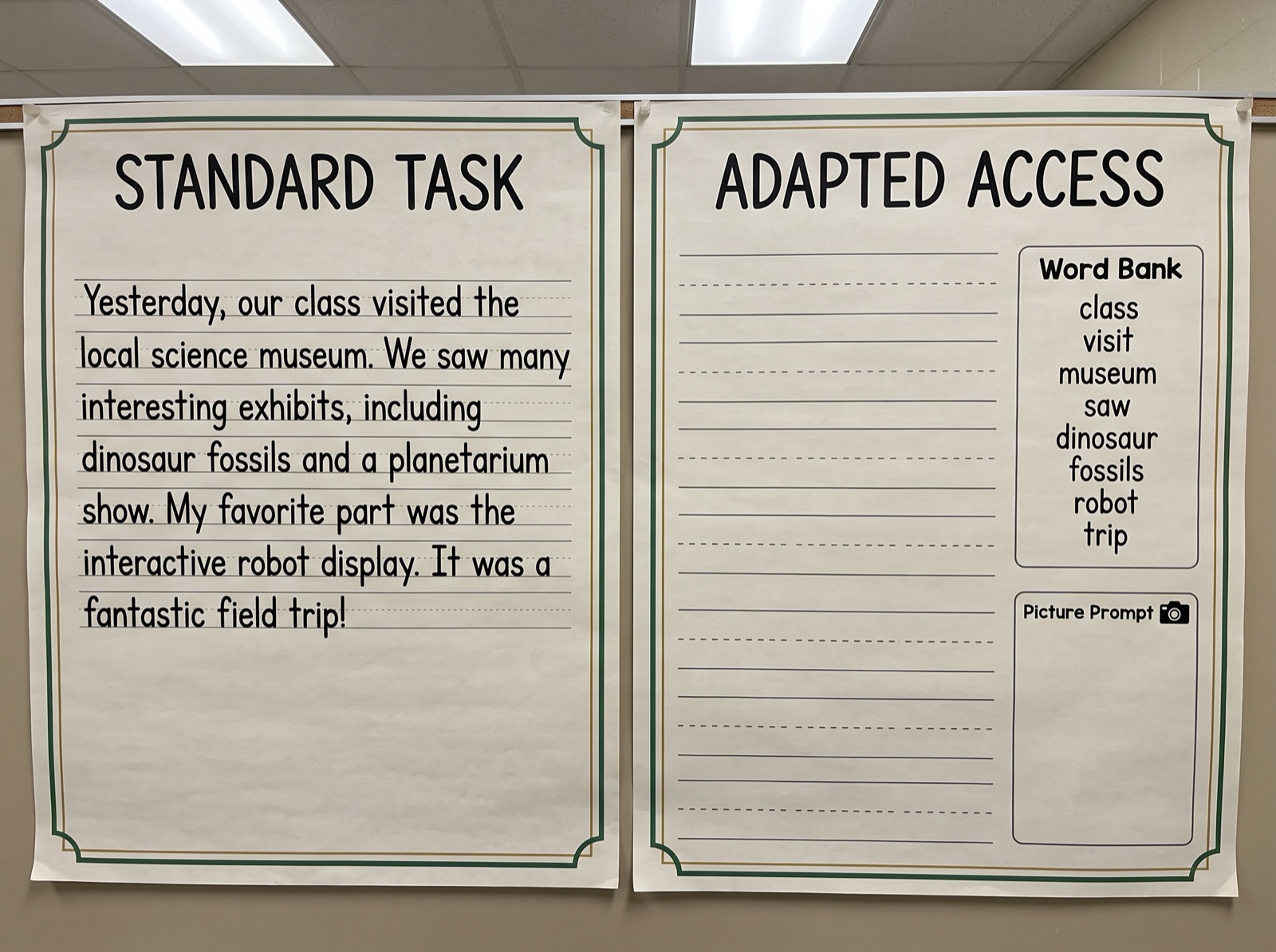
Immediate Support, Meaningful Progress
Two of three pupils identified for immediate intervention made significant progress in reading and literacy.
Read story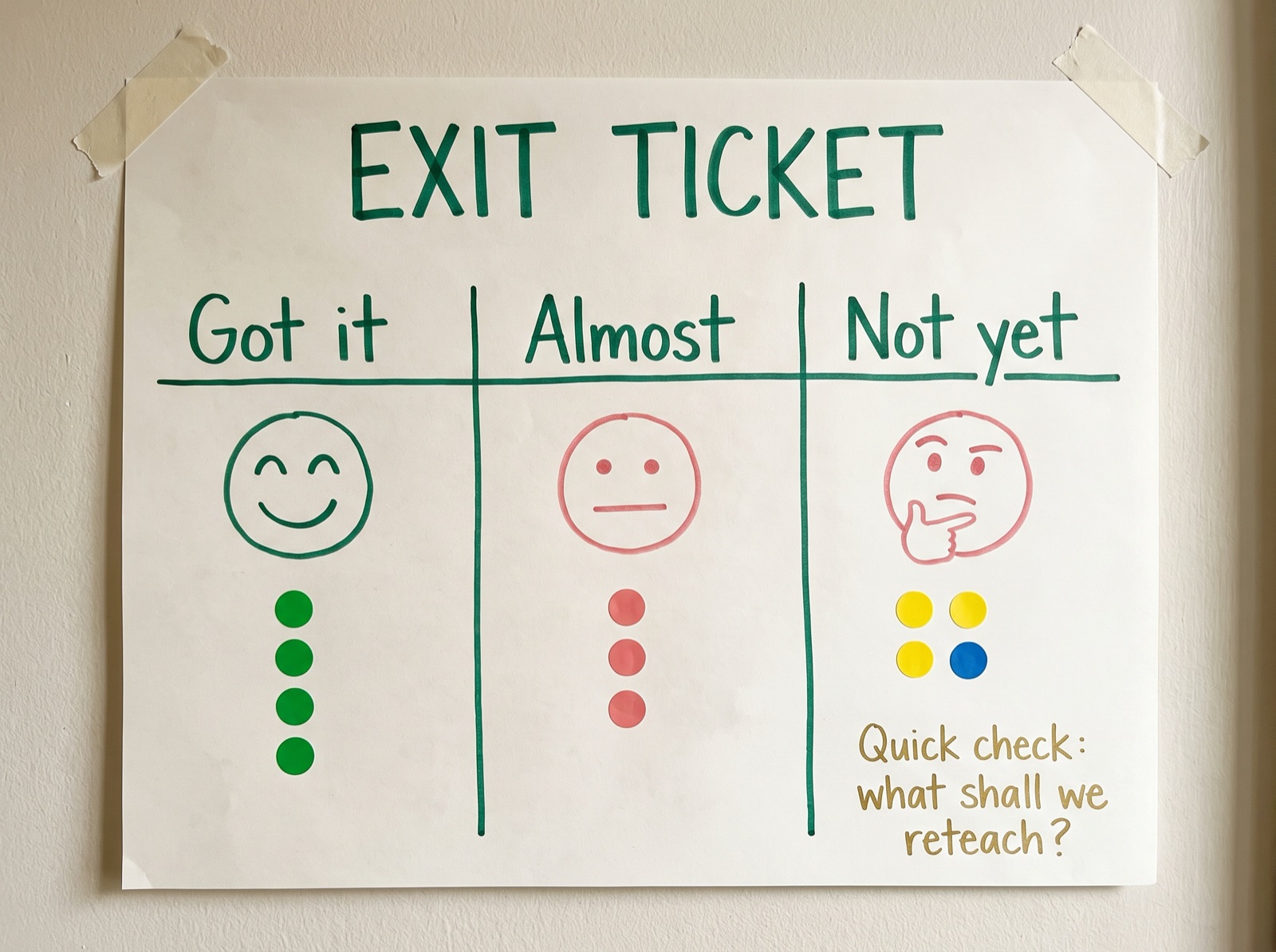
Instant Feedback with Wayground
Post-topic checks scored between 71% and 86% class accuracy and surfaced misconceptions that shaped targeted support and future planning.
Read story